
The Hidden Cost of a Poorly Structured Squarespace Website
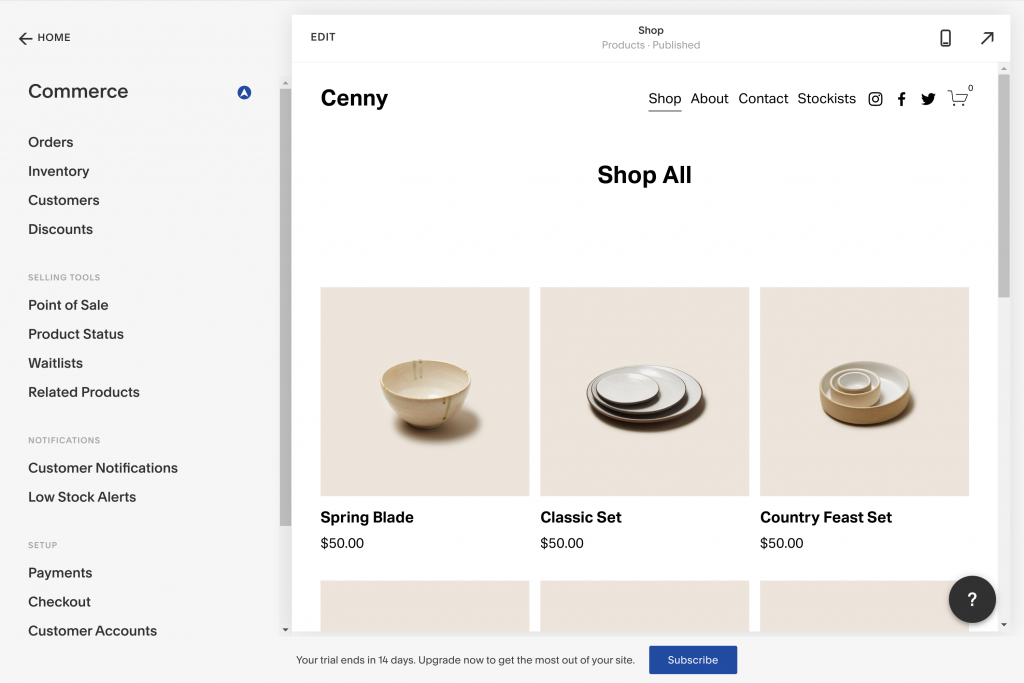
A Squarespace site can look polished on the surface and still quietly drain money every single month. That is what makes a poorly structured Squarespace website so dangerous. It does not always fail in a loud way. It fails in slow, expensive ways. It brings in the wrong visitors. It confuses the right ones. It weakens trust, lowers conversions, hurts search visibility, and forces a business owner to keep fixing the same problems again and again.
Many of these issues come down to how clearly your message is communicated. Even a well-designed website can struggle if the content fails to connect with the right audience. That’s why many businesses now use an AI content writing platform like EchoWriting to improve clarity, structure, and engagement across key pages.
Many brands do not notice the problem at first. They launch a site, feel proud of the visual design, then wait for leads, sales, bookings, or inquiries that never arrive at the level they expected. Traffic may come in, but people leave too fast. Pages may rank, but not for the terms that matter. Visitors may browse, but they do not take action. The business starts spending more on ads, more on content, and more on patchwork fixes, without solving the real issue underneath.
That issue is structure.
A website is not just a collection of pages. It is a path. It is a decision-making tool. It is a sales environment. On Squarespace, structure affects how users move, how search engines read the site, how content supports business goals, and how easy it is to scale later. When that structure is weak, the cost shows up everywhere.
This article breaks down what a bad structured Squarespace web presence actually costs, why so many businesses miss the warning signs, and what separates underperforming sites from the best Squarespace website designs that do more than just look good. It also explains how Pocketknife approaches Squarespace strategy with a sharper focus on usability, search intent, content flow, and conversion.
Why Website Structure Matters More Than Most Businesses Think
A lot of business owners think website problems begin with design. They assume the colors are off, the images are weak, or the homepage needs a fresher look. Those things matter, but they are rarely the root issue. The bigger problem is usually the way content is organized, linked, labeled, and presented across the site.
A well-structured Squarespace website helps users answer simple questions fast. What does this company do? Is it right for me? Where should I go next? Why should I trust them? What action should I take now? If those answers are hard to find, the site starts losing value before the visual design even has a chance to work.
Structure shapes the whole visitor experience. It controls navigation, internal linking, heading flow, content hierarchy, service page relationships, blog relevance, and the distance between landing on the site and taking action. Even the strongest copy can underperform when it is sitting inside the wrong framework.
On Squarespace, this matters even more because many users rely heavily on templates. Templates make it easier to launch, but they can also make it easier to hide structural weaknesses. A site can look clean and modern while still having shallow service pages, weak page intent, confusing menu labels, broken content relationships, and no clear route from discovery to conversion.
Learn About The: How to Choose the Right Squarespace Template
That is why a poorly structured Squarespace website often goes unnoticed. It does not always look broken. It simply works below its potential.
Structure Is What Turns Traffic Into Results
Traffic alone is not the goal. Business owners do not pay for visitors. They pay for outcomes. That may mean leads, calls, bookings, demo requests, newsletter signups, or purchases. A website structure that fails to guide users toward those actions creates waste at every stage.
A visitor may arrive from Google on a blog post and have no obvious next step. A paid ad click may land on a page that looks good but does not answer core buying questions. A service page may explain too little, forcing users to leave and compare other options. A homepage may try to say everything at once, which means it says nothing clearly.
Good structure removes friction. Poor structure adds it.
Why Squarespace Sites Often Fall Into This Trap
Squarespace is popular because it is accessible. It allows small businesses, startups, creators, consultants, and service providers to launch quickly. That is the strength of the platform. But ease of use can also create a false sense of completion. Many site owners stop when the site looks finished.
They do not stop to ask whether the navigation reflects search behavior. They do not review whether each page has a distinct purpose. They do not check whether the internal link paths support the buyer journey. They do not map content by audience intent. They do not think about how homepage messaging aligns with service pages, blog content, and calls to action.
As a result, the site becomes a visual shell without a strong strategic core.
The Real Financial Cost of a Poorly Structured Squarespace Website
The hidden cost is not just one number. It is a series of losses that build over time. Some are easy to measure. Others sit in the background and quietly limit growth.
The first major cost is lost conversions. If a site receives traffic but does not help users move forward, the business is paying for exposure without getting enough return. This is common when service pages are too short, category pages are thin, calls to action are vague, or navigation makes it hard to compare options. Visitors do not always leave because the business is bad. They leave because the path is unclear.
The second cost is wasted marketing spend. Paid traffic is expensive. Content production takes time. SEO takes patience and budget. If users land on a site with weak structure, even strong campaigns can underperform. A poorly planned website turns every other channel into a harder job. The ads have to work harder. The content has to work harder. The sales team has to work harder. The website fails to carry its share of the load.
The third cost is low search efficiency. Search engines do not just read keywords. They assess relationships between pages, clarity of topics, crawl paths, user signals, internal links, and topical depth. When a Squarespace site has scattered content, overlapping pages, missing hierarchy, weak headings, and no clear clusters, it becomes harder to rank the right pages for the right queries. That means slower growth and less organic visibility.
Then there is the cost of rework. Businesses with a bad structured Squarespace web setup often keep editing small pieces without fixing the foundation. They rewrite headlines, add sections, swap buttons, post more blogs, and change images. Months pass. Results barely move. Later, they find out the site needs a larger rebuild anyway. That means paying twice. Once for the original version. Then again for the correction.
There is also a trust cost. Visitors judge a business fast. If a site feels hard to navigate, repetitive, incomplete, or vague, users may not consciously say, “This website has poor structure.” They simply feel unsure. And unsure visitors do not convert well.
The Cost of Lost Leads Adds Up Faster Than Expected
Let’s say a service business gets 3,000 visits per month. On paper, that sounds decent. But if the site structure prevents users from finding the right service pages, understanding the offer, or contacting the business, the conversion rate may stay far below what it should be.
Even a one percent difference in conversion can mean dozens of lost leads every month. Over a year, that can become hundreds of missed opportunities. If each lead is worth serious revenue, the hidden cost is not small at all. It can be one of the biggest growth leaks in the business.
Read About: Squarespace Core Web Vitals: What They Are and Why They Matter
Many owners respond by increasing traffic instead of fixing the site. That usually raises spend without fixing the conversion problem. More people enter the same weak funnel. The numbers go up. Revenue does not rise in the same way.
The Cost of Confused Messaging
Poor structure often creates content overlap. The homepage says one thing. The service page says something else. The about page is too broad. Blog posts attract unrelated traffic. Users cannot tell which page matters most. In that environment, messaging starts competing with itself.
When a site lacks structural discipline, the business loses clarity. And when clarity drops, conversion drops with it.
How Poor Structure Hurts SEO on Squarespace
Many businesses assume SEO is mainly about keywords, blog frequency, and metadata. Those pieces matter, but they do not solve a weak website framework. Search performance depends on how the site is built as much as what the site says.
A poorly structured Squarespace website often shows several SEO weaknesses at once. It may have pages targeting the same term with no clear priority. It may have blog articles that are disconnected from service pages. It may have thin pages with no real topical depth. It may bury important pages too deep in navigation. It may use generic menu labels that do not help users or search engines understand intent.
Squarespace can support strong SEO when handled properly, but it still needs careful planning. Structure tells search engines which pages are core, which pages support them, and how the site covers a topic as a whole. Without that, rankings tend to be weaker, less stable, or spread across the wrong pages.
Weak Page Intent Creates Ranking Problems
Every page should have a job. A homepage introduces the business and routes users to the right areas. A service page answers detailed intent around a specific offer. A blog page supports education, discovery, or long-tail search. A location page targets a place-based audience. A portfolio page builds proof. When pages lack defined roles, rankings get messy.
For example, a homepage may try to rank for everything. A general service page may compete with a niche service page. A blog may rank for a commercial term better suited for a service page, then fail to convert that traffic. This is common in a bad structured Squarespace web setup because the content grows without a plan.
Search engines respond better when the site shows strong topical logic. That means distinct page intent, supporting content relationships, and internal links that make sense.
Internal Linking Is Often Too Weak or Too Random
Internal links are not decoration. They help users discover relevant pages, and they help search engines understand content relationships. On many poorly built Squarespace sites, internal linking is either ignored or handled carelessly. Important pages receive very few internal links. Blog posts sit alone. Service pages do not support one another. High-intent pages are hard to reach unless users return to the main menu.
This reduces page authority flow within the site. It also weakens user movement. Someone reading a useful article should have a natural route to a related service page. Someone exploring a service page should be able to access case studies, testimonials, FAQs, pricing cues, or contact paths without friction.
When those links are missing, the site becomes flat. Users bounce. Search signals suffer.
Poor Heading Structure Weakens Relevance
Heading structure matters for clarity, readability, and topic framing. Yet many Squarespace pages use headings mainly for visual style, not content logic. That leads to repeated H1s, vague H2s, broken hierarchy, and sections that do not clearly answer real search intent.
A stronger structure uses headings to map the visitor’s questions. It creates a natural reading path. It turns a page into a useful resource rather than a block of branded copy. This is one of the biggest differences between weak websites and the best Squarespace website designs. The best ones are not just attractive. They are organized with purpose.
Thin Content and Orphan Pages Reduce Visibility
Poor structure often produces thin pages because the site owner creates pages simply to fill a menu rather than serve user intent. These pages say little, rank poorly, and add noise. At the same time, some pages become orphaned, meaning they receive little internal support and are hard to find through the main site flow.
That combination is harmful. Thin pages dilute quality. Orphan pages waste potential. Together, they make SEO slower and less predictable.
User Experience Problems That Cost More Than Most Owners Realize
User experience is often treated like a design issue. In reality, it is a structure issue first. A beautiful website with weak organization still creates stress. Visitors may not know where to click, how to compare services, or what to do next. That confusion leads to drop-off.
User frustration is expensive because it shows up everywhere. It increases the bounce rate. It lowers time on site. It reduces form submissions. It weakens trust. It pushes people back to search results, where competitors are waiting.
A poorly structured Squarespace website does not always feel dramatic. Often it feels slightly annoying. The navigation is broad but not helpful. The text repeats instead of clarifying. The homepage scrolls for too long before giving direction. Service details are scattered across pages. Important trust signals are buried. Mobile layouts feel longer than they should. That low-grade friction keeps users from moving forward.
Mobile Structure Is Often Where Problems Become Obvious
Many site owners design mainly for desktop because that is where they build the site. But visitors often arrive on mobile. A structure that feels acceptable on a desktop can fall apart on a phone. Menus become harder to navigate. Long sections feel heavier. Call-to-action placement becomes inconsistent. Content that should be split across clear sections turns into an endless scroll.
On mobile, visitors want quick proof and direct next steps. They want to know what the business offers, whether it matches their needs, and how to act. When the site makes them work too hard, they leave.
Pocketknife often sees this issue in Squarespace projects that were built template-first rather than strategy-first. The site owner filled sections because the layout allowed it, not because the content flow made sense for mobile behavior. That creates a site that looks complete but feels tiring to use.
Confusion Kills Trust Faster Than Ugly Design
An ugly site can still convert if it is clear. A pretty site with poor structure often struggles because visitors cannot find confidence in it. Trust comes from clarity. It comes from knowing where you are, what matters, and what happens next.
When a visitor opens a site and cannot immediately tell who it is for, what it offers, or how the pages connect, the business starts losing authority in their mind. This matters even for companies with great services. The site becomes an unnecessary source of doubt.
That is why structure is closely tied to brand perception. It affects how professional, credible, and established the business feels. The structure tells users whether the company has thought things through.
The Wrong Content Order Creates Silent Drop-Off
Sometimes the information on the page is technically good, but it appears in the wrong order. A page may begin with vague brand language before explaining the service. It may ask for contact before building trust. It may bury proof below large design sections. It may discuss features before clarifying outcomes.
Content order is part of structure. When the order is wrong, the page fails even with a decent copy. The visitor’s questions are not being answered in the right sequence. That creates hesitation. And hesitation is costly.
What the Best Design That Get Right
The best Squarespace website designs are not simply the cleanest ones. They are the ones that make action easy. They balance form and function. They guide users, support search goals, and create a strong sense of clarity from the first screen to the final click.
These websites do a few important things well. They define page purpose clearly. They use navigation that reflects user intent, not internal company language. They organize services in a way that helps comparison and decision-making. They use headings that answer real questions. They connect blog content to commercial pages. They place proof near action. And they respect mobile behavior from the start.
That does not mean every site needs to be large. A small site can perform very well if its structure is sharp. In many cases, fewer pages with stronger intent outperform a bloated site with scattered messaging.
What's New With: How to Add Image Animation in Squarespace Without Slowing It Down
Clear Hierarchy Makes Good Design Work Harder
Good hierarchy means the most important information is easiest to find. That sounds basic, but it changes everything. A homepage with clear hierarchy tells users what the business does, who it helps, why it matters, and where to go next. A service page with clear hierarchy moves from overview to details to trust signals to action. A blog article with clear hierarchy educates while guiding the reader toward related pages.
This is what makes design feel useful. Without hierarchy, even strong visuals become decoration.
They Build Around Decision Paths, Not Just Sections
Weak sites are often built section by section. Strong sites are built path by path. The question is not just what content belongs on a page. The question is what a user needs to understand before taking the next step.
That mindset changes how the whole site is planned. It influences navigation labels, internal links, content order, CTA placement, proof blocks, FAQs, and page length. It also affects which pages deserve deeper treatment and which should stay simple.
The best Squarespace website designs are strong because they think beyond the page. They consider how the whole site functions as one connected experience.
They Support Growth Instead of Blocking It
A better structure makes future growth easier. New services can be added without confusion. Blog topics can support key pages more naturally. SEO clusters can develop in a cleaner way. Landing pages can be created without harming the main site flow. Analytics become easier to interpret because each page has a clear purpose.
That is a major business advantage. A stronger website is not just better today. It will be easier to improve tomorrow.
Signs Your Squarespace Website Has a Structural Problem
Many businesses know something feels off, but they are not sure what to look for. Structural problems are often misread as content issues, design issues, or traffic issues. The signs below tend to appear together.
If your homepage gets traffic but your service pages do not convert, structure may be the problem. If users land on blog posts but rarely move deeper into the site, structure may be the problem. If important pages are hard to find unless you know exactly where to look, structure may be the problem. If your site feels busy but still thin, structure may be the problem.
A bad structured Squarespace web setup also tends to create repeating patterns. Pages sound too similar. Navigation labels are vague. Important proof is buried low on the page. Blog content feels disconnected from revenue pages. Calls to action are either too weak or too frequent without enough support. Users need to think too much before acting.
Your Pages Compete With Each Other
When two or three pages seem to say almost the same thing, that is usually a structure issue. It creates confusion for users and weaker signals for search engines. Each important page should own a clear topic or intent.
Your Navigation Uses Internal Language
Businesses often label pages with terms that make sense to the team but not to the visitor. That makes the menu less useful. Good navigation uses language that matches how real people think, search, and compare options.
Your Blogs Bring Traffic but Not Leads
This is one of the clearest warning signs. If educational content attracts visits but those visits do not turn into meaningful actions, the blog may be disconnected from the commercial side of the site. The issue is not always the article quality. Often it is the weak relationship between informational content and conversion pages.
Your Site Keeps Growing Without Feeling Better
Adding more content should make a site stronger. If the site keeps expanding but still feels messy, the foundation likely needs a rethink. Growth without structure creates clutter, not progress.
How Pocketknife Approaches Squarespace Structure the Right Way
At Pocketknife, the goal is not to make a Squarespace site merely look refined. The goal is to make it easier for the right visitor to understand the offer and take action with less hesitation.
That starts with structure, not decoration.
Pocketknife looks at a Squarespace site through several layers. First comes user intent. What are people actually trying to find? What questions do they have before converting? What pages should exist to answer those questions clearly? Then comes business intent. Which actions matter most? Which services deserve stronger visibility? Which pages support revenue directly, and which pages support trust or discovery?
From there, the site can be organized with more discipline. Navigation is shaped around clarity. Page hierarchy is cleaned up. Core service pages are strengthened. Supporting content is linked in a more useful way. Blog strategy is aligned with commercial goals. Calls to action are placed where they make sense, rather than being dropped in randomly.
Strategy First, Then Design
This is where many projects go wrong. Businesses start with templates and visual decisions before mapping page roles. Pocketknife flips that order. Once the structure is clear, design choices become easier and more effective. The site starts serving a real purpose instead of trying to look finished without one.
This approach is especially valuable for businesses that already have a Squarespace site but are not happy with results. Often they do not need a full platform change. They need a sharper structure, better content flow, and stronger page intent.
Stronger Structure Makes Every Other Investment Work Better
When the structure improves, SEO content performs better because it feeds the right pages. Paid traffic performs better because landing pages match intent more closely. Brand trust rises because users feel guided instead of confused. Reporting improves because outcomes are easier to track by page purpose.
That is why fixing a poorly structured Squarespace website has such a wide effect. It does not solve one problem. It removes friction across the whole digital experience.
Commercial Value Without Empty Sales Language
A lot of agency copy sounds polished but vague. Business owners do not need that. They need practical improvement. Pocketknife focuses on website decisions that support clarity, search visibility, and conversion. That means fewer filler sections, stronger content order, clearer service architecture, and a site that works harder for the business over time.
The result is not just a better-looking Squarespace website. It is a website that behaves more like a useful business tool.
How to Fix a Poorly Structured Squarespace Website Before It Costs More
The good news is that structure can be improved. The bad news is that many businesses wait too long because the site is “good enough” to stay live. That delay is where the hidden cost keeps growing.
The first step is to audit page purposes. Every important page should have a clear role. If the role is vague, the page should be rewritten, merged, expanded, or removed. The second step is to review navigation. Menu labels should be simple, direct, and aligned with user intent. The third step is to improve content hierarchy. Headings, subheadings, and section order should follow real user questions.
Next comes internal linking. Key pages should support one another in a deliberate way. Blog content should connect naturally to services, related resources, and next steps. Then comes trust positioning. Testimonials, case studies, FAQs, and proof points should appear closer to the places where users are deciding.
Finally, mobile experience should be reviewed as its own journey. Not as a smaller version of desktop, but as a separate behavior pattern with its own needs.
Fix the Foundation Before Adding More Content
This matters. Many businesses react to weak performance by adding more blog posts, more sections, and more copy. That can help only if the framework is already sound. If not, more content often makes the site harder to use.
A stronger foundation gives new content a better place to live. It helps search engines read the site more clearly. It gives visitors a more direct path. It improves the odds that every new page supports the business instead of adding noise.
Know When Design Is Hiding Structural Weakness
If the site looks polished but performs poorly, the structure deserves a closer look. Attractive design can hide deep friction for longer than an obviously outdated site. That is why a full review should focus on user flow, page logic, content depth, internal relationships, and conversion paths, not just aesthetics.
Better Structure Is a Revenue Decision
This is the point many brands miss. Fixing structure is not just a creative choice. It is a business choice. It affects acquisition cost, lead quality, conversion rate, search growth, and the amount of rework required later. That makes it one of the highest-value changes a business can make to its website.
Conclusion: A Good-Looking Squarespace Site Is Not Enough
A Squarespace website can look modern and still underperform for months or years. That is the hidden danger. A poorly structured Squarespace website rarely announces itself in obvious ways. It simply weakens results little by little. Fewer leads. Lower rankings. More wasted ad spend. More confusion. More revisions. More missed opportunities.
The fix is not always a bigger website. It is usually a clearer one.
Businesses that want stronger results need more than nice visuals. They need page intent, content hierarchy, better internal flow, and a structure that supports both search engines and real people. That is what separates an average site from the best Squarespace website designs. The difference is not style alone. It is direction.
If your current site feels harder to grow than it should, the structure may be costing more than you think. And if you are tired of patching the same issues without seeing real movement, this is usually the place to start.
Pocketknife helps businesses rethink Squarespace websites with sharper structure, stronger messaging flow, and pages built to support action. Because a website should not just sit there looking decent. It should help the business move forward.
Related Tag: Squarespace Website Design Cost
